Sick or become sterile after years of working in banana plantations in contact with a pesticide, hundreds of Nicaraguan agricultural workers have long been demanding the payment of compensation. A hope that moves away a little more with a recent decision of the French justice.
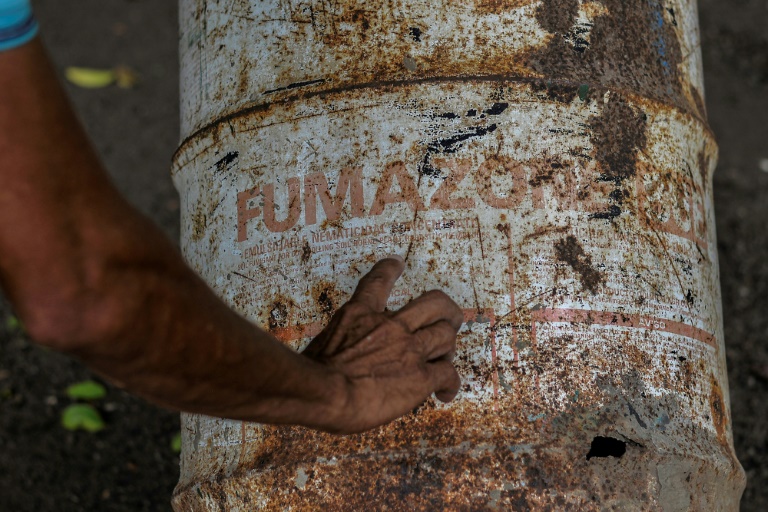
In the streets of Tonala, located in the department of Chinandega, a few rusty cans of DBCP are still visible here and there. This pesticide has been used for years in banana plantations in this region of northeastern Nicaragua.
In the 1970s, attracted by the job opportunities offered by the banana companies in the surrounding plantations, many workers arrived in Tonala, which at the time had only 600 inhabitants, against 13,000 today.
These plantations flourished between the 1960s and 1980s, taking advantage of fertile soil, a hot climate and abundant rains.
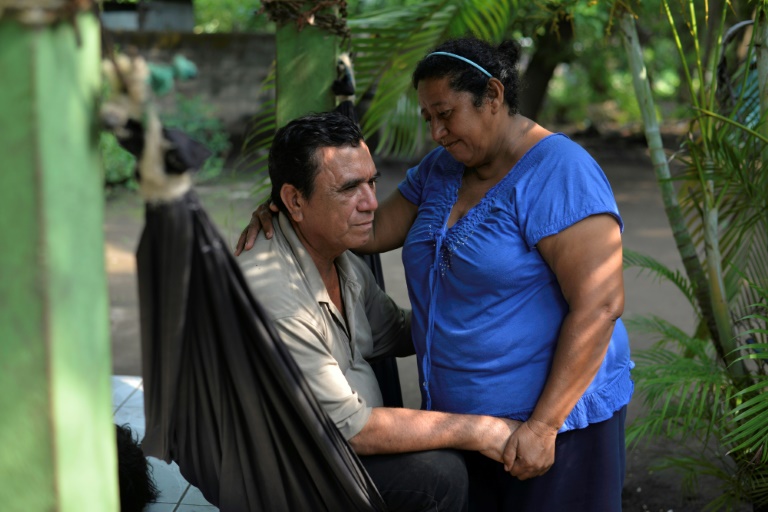
« There were four farms in Tonala, with up to 4,000 workers in each. That was where you were paid the best, » remembers Luis Gomez, 60.
« It was good, people came from all over but this joy turned into sadness, because of not being able to have children », explains his wife Idalia Paz, 55 years old.
Luis became sterile after his exposure to DBCP.
This pesticide banned in the late 1970s in the United States and marketed until the mid-1980s in Nicaragua under the names of Nemagon and Fumazone, has been the subject of numerous denunciations in Latin America, accused of causing cancer and infertility.
The health risks were identified in 1977 in the United States after the detection of a high rate of sterility among workers at a farm in California.
« If we had known it was dangerous, we would have taken other precautions. But we didn’t know, it was only later that we found out, » Pedro Regalado, 74, told AFP. years, he too became sterile after working on the El Paraiso farm.
– Exequatur –
In 2006, a court in Chinandega ordered three American multinationals — Shell, Dow Chemical and Occidental Chemical — which marketed the pesticide in the country to pay 805 million dollars in compensation to 1,200 workers.
But they never received a penny and many of them died.
The decision was confirmed in cassation in Nicaragua in 2013 but has never been applied.
The American companies had withdrawn all their assets from Nicaragua, explained a lawyer for the workers Gustavo Antonio Lopez. For their part, the multinationals had claimed to have « never been present in the country », according to their advice.
The plaintiffs had then put all their hopes in an “exequatur” procedure launched in 2018 before the French courts. This procedure makes it possible to enforce in France a decision rendered by a foreign court, with the possible seizure of the assets of companies in Europe.
Gathered in Tonala, the farmers waited together for the decision rendered on Wednesday in Paris. But the taciturn voice of their lawyer, Barnard Zavala, on the telephone quickly dashed their hopes.
« They are dismissing us, » announced the lawyer, in contact with his counterparts in Paris.
The judges declared « unenforceable on French territory » all the decisions of the Nicaraguan courts on the grounds that the multinationals in question had chosen to be tried in the United States, in accordance with their law, which « deprived the Nicaraguan jurisdiction of all jurisdiction ».
« We are disappointed (…) It is here that the pesticide was spread, here in Nicaragua that we were affected. We were waiting for a decision in favor of the sick », laments Idalia Paz.
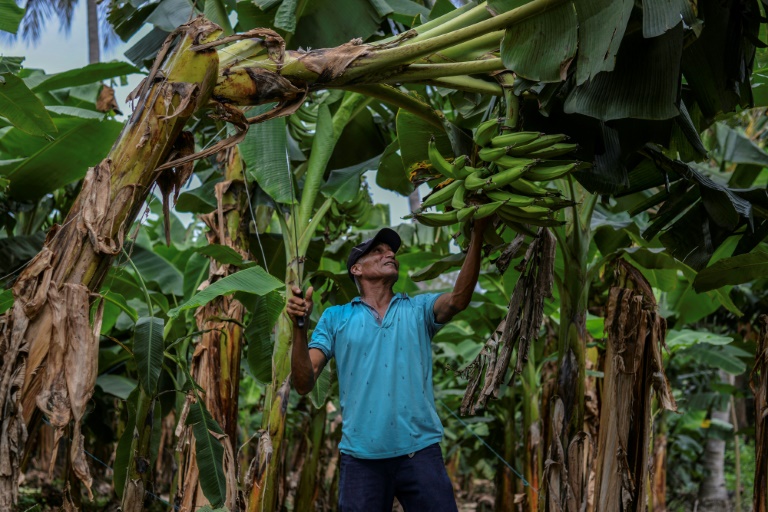
« When they told me that I was 100% sterile (…) I felt a deep disappointment. These are things that hurt and mark you for life », says Pedro Fletes, 57 years old , who was ten years old when his father took him to work in the banana plantations of Tonala. He also suffers from kidney and bone pain.
« I think it’s unfair, it was a crime » by the multinationals in Nicaragua. « They didn’t want to pay me for the damages but they are there, they are irreparable ».
#Diseases #sterility #impunity #legacy #pesticide #Nicaragua