A promising and revolutionary patch against food allergies
If it keeps its promises, the patch against peanut allergy, developed by the French biotechnology firm DBV Technologies, could well prove to be a small revolution in the world of food allergy. Because indeed, according to the final results of a phase 2 clinical study, which were presented this weekend at the Congress of the American Academy of Allergy, Asthma and Immunology meeting in Atlanta (Georgia), the approach also shows great promise against other food allergens.
What is it about?
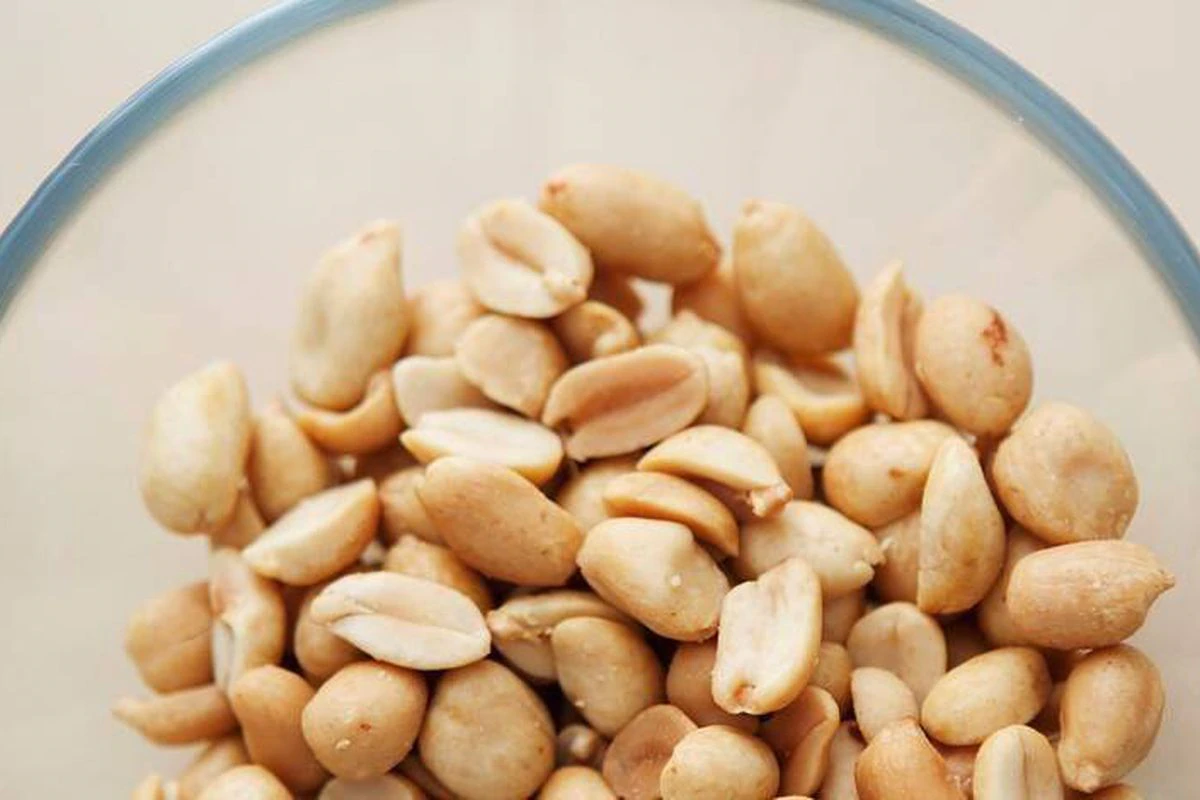
Called Viaskin, this epidermal patch is presented by Dr. Pierre-Henri Benhamou, co-founder and CEO of DBV Technologies, as « the first food allergy desensitization and healing patch« . The patch is based on a discovery showing that it is possible to act on the immune system through the skin. »The patch contains a very concentrated extract of peanut protein, 250 micrograms, which is diffused into the epidermis without passing into the blood, avoiding the risk of allergic shock for the patient while gradually desensitizing him“, explain the designers.
According to the authors of the study (phase 2 clinical trial) conducted for three years in a group of 28 patients aged four to eleven, it reduced the risk of exacerbated allergic shock, which can be fatal, by 98%. . « These results are extremely encouraging since 83.3% of participants were able to increase the amount of peanuts they could eat tenfold.« , specified Dr. Benhamou, affirming that before « there was no real treatment against this type of allergens« .
While elimination was generally the solution advocated until recently, another approach to avoiding peanut allergies consists on the contrary of making infants consume foods containing peanuts very early on.
Last January, in fact, the National Institute of Allergy and Infectious Diseases (NIAID) recommended that children from the age of four months up to five years should eat peanuts regularly.
A study conducted by this same institute showed that it reduced the allergy rate in children by 81%.
A patch to reduce sensitivity
As for the patch »the goal is not to be able to eat a packet of peanuts but to reduce sensitivity enough to avoid a life-threatening reaction if peanuts are accidentally eaten in a sauce or dish« , explained Dr. Benhamou, who specified that the severe allergy to this food is responsible for several thousand anaphylactic shocks per year in the United States, of which 150 are fatal. In this country, where the population is fond of this type of foods, an estimated 2% of children are allergic to peanuts, making it the most common food allergy in the U.S. And numbers have increased by 50% since the late 1990s, researchers have determined. American Centers for Disease Control and Prevention (CDC) In France, and therefore by extrapolation in Belgium, the prevalence of this allergy would represent 0.3% to 0.75% of the population.
Still, this patch seems frankly promising when we see that the Food and Drug Administration (FDA), the American food and pharmaceutical agency, did not hesitate to grant the status of « therapeutic breakthrough » to this patch paving the way to an accelerated marketing authorization process, possibly as early as 2018.
How was the study? And now?
The researchers carried out the phase 2 clinical trial, including a follow-up of several months with 28 children from 4 to 11 years old. These data represent three years of study, ie the total duration of the treatment which consists of wearing the patch permanently and changing it every day.
The results of the phase 3 clinical trial, the last step before marketing, will be known in the fall of 2017, said Dr. Benhamou. According to him, this treatment would represent a market of around one and a half billion dollars. « This patch has blockbuster potential« , he said.
The market for the treatment of food allergies is even more extensive since it is estimated that between 6 to 8% of the population in Europe and the USA suffers from them. The proportions are probably of the same order in China and Japan, according to the CEO of DBV Technologies.
A milk allergy affects 2% of children and 1% of adults, he added, also citing allergens in eggs, wheat, soy and shellfish.
For dairy products, the French firm has already developed a patch already tested in a phase 2 clinical trial in children, the results of which are similar to those obtained for peanuts, and is preparing an allergen desensitization patch in the egg which poses problems especially in populations in Asia.
#promising #revolutionary #patch #food #allergies